Introduction
Caring for people with complicated bowel requirements can be a difficult task, especially for those entering the field without prior training or experience. The intricacies involved in complex digestive tract care prolong beyond mere physical support; they incorporate psychological assistance, self-respect preservation, and an understanding of clinical methods. In this extensive guide, we'll explore the numerous facets of complex bowel care, from the importance of specialized training to functional pointers that boost caregiving.
Why is Complex Bowel Care Important?
Individuals with intricate bowel issues often struggle with conditions that require specialized care regimens. This not just enhances their lifestyle but also preserves their self-respect and lowers issues. Whether it's taking care of an ostomy or managing continuous bowel troubles, understanding and carrying out effective care strategies is critical.
Understanding Facility Bowel Care
What is Intricate Bowel Care?
Complex digestive tract treatment describes the specialized administration of individuals that experience complex digestive tract problems as a result of medical interventions, persistent diseases, or impairments. This can include clients with:
- Ostomies (surgically created openings) Stomas (an opening on the abdomen) Chronic constipation Irritable bowel disorder (IBS)
Understanding these conditions is vital for providing high-grade care.
What is a Stoma?
A stoma is an operatively produced opening in the stomach wall surface where waste departures the body. It's frequently needed when a portion of the intestine has been eliminated or bypassed due to condition or injury. Comprehending what a stoma requires is essential for any person involved in complex digestive tract care.
What is Ostomy Care?
Ostomy care entails maintaining hygiene and wellness for people with a stoma. Correct ostomy care can avoid complications such as infections and skin irritability while ensuring that individuals really feel comfortable and positive in their day-to-day activities.
Essential Training for Carers
NDIS Complex Bowel Care Training
The National Special needs Insurance System (NDIS) uses comprehensive training programs aimed at outfitting carers with the expertise they require to manage complicated digestive tract problems successfully. These training courses cover whatever from basic anatomy to advanced monitoring techniques.
Key Elements of NDIS Training:
Anatomy & Physiology: Understanding just how different parts of the digestive system function. Practical Skills: Hands-on training focusing on stoma management. Patient Communication: Devices for constructing connection with patients dealing with sensitive conditions. Emergency Response: Acknowledging indications of problems and recognizing when to look for help.Stoma Care Training for Carers
Stoma treatment training concentrates specifically on handling people with ostomies. This includes learning about different types of stomas, products available for stoma administration, and techniques to ensure person comfort.
Topics Covered in Stoma Care Training:
- Types of stomal appliances Skin protection measures Techniques for cleaning and altering appliances Emotional assistance methods
Courses Available in Intricate Bowel Care
Overview of Available Courses
Various organizations use courses tailored especially to complex bowel care skills:
Bowel Treatment Courses: Comprehensive programs concentrating on numerous aspects of bowel health. Complex Bowel Treatment Course: Advanced programs designed for experienced carers desiring extra skills. Online Learning Modules: Adaptability for busy experts aiming to find out at their own pace.Benefits of Joining in a Bowel Care Course
Improved Client Outcomes
Training outfits you with evidence-based techniques that can cause much better health and wellness end results for patients.
Enhanced Confidence
Knowledge instills self-confidence which enables you to take care of difficult scenarios extra effectively.
Networking Opportunities
Courses allow you to connect with various other experts in your field, fostering collaboration and mutual learning.
Caring For an Ostomy
Understanding Ostomy Management
Caring for an ostomy requires details knowledge regarding various kinds of surgeries, home appliances made use of, and possible complications.
Steps in Efficient Ostomy Administration:
Regular Monitoring: Watch on changes in appearance or output. Skin Health Maintenance: Use proper barriers and creams. Dietary Considerations: Dressmaker diets based upon individual resistance levels.Common Problems Associated with Ostomy Care
Patients might have multiple concerns concerning their ostomies consisting of smell control, leak prevention, and dietary restrictions. Resolving these worries empathetically can boost depend on in between carers and patients.
Best Practices in Complex Digestive Tract Management
Recommended Strategies
Implementing finest techniques can dramatically improve individual experiences:
Routine Assessments: Regular exams make certain that any occurring problems are without delay addressed. Personalized Care Plans: Tailoring approaches based upon specific requirements boosts effectiveness. Open Communication: Motivate responses from clients concerning their comfort degrees and any problems faced throughout care routines.Technology Help in Bowel Management
Emerging innovations such as applications tracking diet regimen consumption or symptom management can help both patients and carers in monitoring health effectively.

Challenges Faced by Carers
Emotional Burden
Carers usually face emotional obstacles while sustaining individuals with complicated requirements due to stress complex bowel care practical training factors like seeing suffering or managing administration related to health care systems.
Coping Methods Include:
- Seeking peer support with discussion forums or groups Professional therapy services Mindfulness techniques such as reflection or yoga
Physical Demands
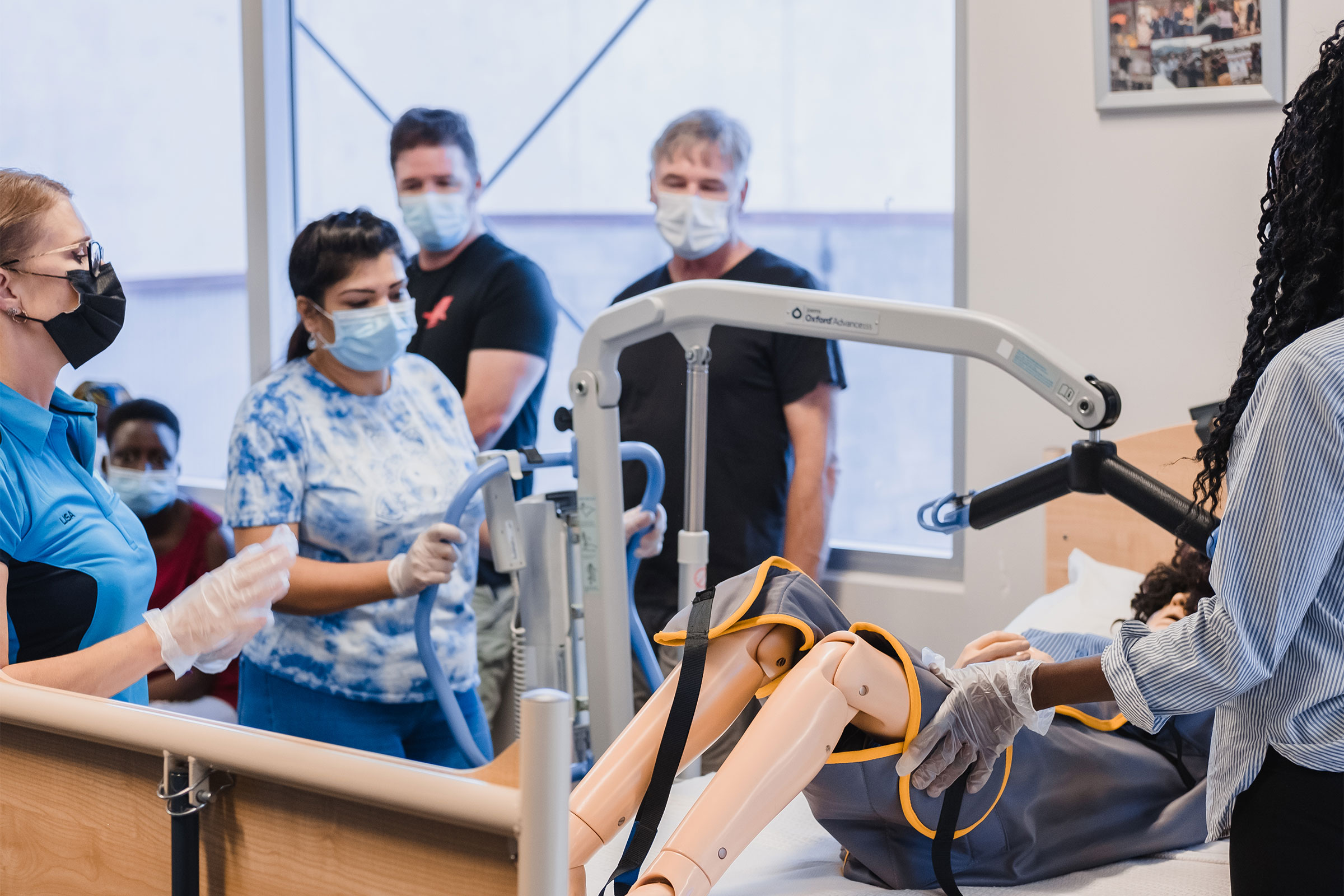
The physical nature of caring-- consisting of lifting people-- can bring about strain injuries among caregivers if correct strategies aren't made use of consistently.
Recommendations Include:
- Utilizing assistive devices Taking normal breaks Engaging in strength-building workouts
FAQs About Complex Digestive tract Care
What qualifications do I require for NDIS facility bowel care?- Most programs require a minimum of fundamental health and wellness training; nonetheless, several offer additional courses focused particularly on complex bowel needs.
- Generally every 3-- 7 days unless there are problems like leakage or inflammation requiring instant attention.
- A healthy diet rich in fiber at first complied with by steady reintroduction of foods as tolerated.
- Yes! Mobile applications exist that assist in tracking signs, drug adherence, and dietary intake.
- Changes like too much hemorrhaging around the stoma site, unexpected increase/decrease in outcome quantity, nasty smell might indicate concerns requiring medical attention.
- Absolutely! Supplying psychological support can substantially boost total patient health and complete satisfaction with health outcomes.
Conclusion
Navigating the intricacies associated with digestive tract treatment requires comprehensive training paired with compassion and useful skills-- associates that define extraordinary carers within this specialty field. By spending time into discovering with licensed programs like the NDIS complex bowel care training or stoma care training for carers, experts will certainly be much better outfitted not just technically however emotionally too when taking care of those most at risk among us.
Through continual advancement-- whether it's through formal education or self-directed learning-- carers can ensure they give ideal support tailored especially towards private demands within the realm associated straight under "The Ultimate Guide to Complex Bowel Take Care Of Carers and Experts."